What is 13-OH?
13-OH is a 2026 label term for an alkaloid from the corydalis root — not kratom, and no relation to 7-OH despite the name. Here's what sellers say it is, what the published research says, and where it stands legally. No health claims.
Ships fast · $50 minimum · free over $125
Corydalis on the menu
Ships nationwide in plain, unmarked packaging. We don’t publish a third-party panel for these, so we make no claims beyond the label.
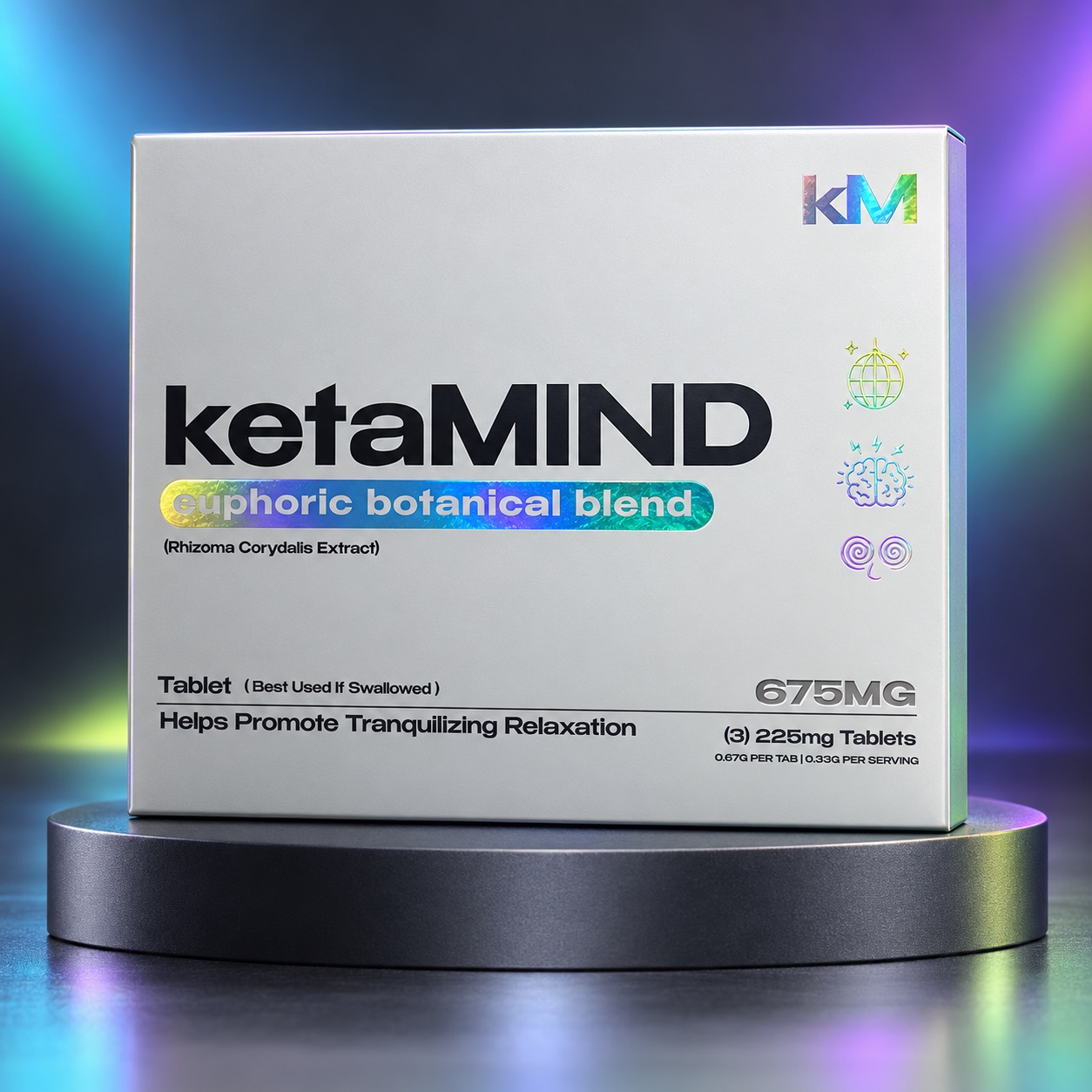
| What it is | A label term on corydalis tablets, new in 2026. Sellers describe it as an alkaloid from the Corydalis yanhusuo tuber, related to tetrahydropalmatine (THP) |
|---|---|
| Source plant | Corydalis yanhusuo — Rhizoma Corydalis, a poppy-family plant from China. Not kratom |
| In published research | We found no compound by that name in the published research on this root. Position 13 is real chemistry, though: corydaline, a known corydalis alkaloid, is THP with a methyl group at that position |
| Relation to 7-OH | None beyond the echo. 7-OH (7-hydroxymitragynine) is a kratom alkaloid, federally scheduled in concentrated form since August 2026 |
| Legal status | Corydalis and its alkaloids aren’t federally controlled, and no regulator has acted on 13-OH by name. We know of no state ban as of October 2026 |
| What’s in a given tablet | Only a lab panel can say. Some products print “13-OH” next to 7-OH on the label — and 7-OH is now scheduled |
Chemistry, published data and legal status only — no health claims, no dosing guidance, ever.
A new name for an old root
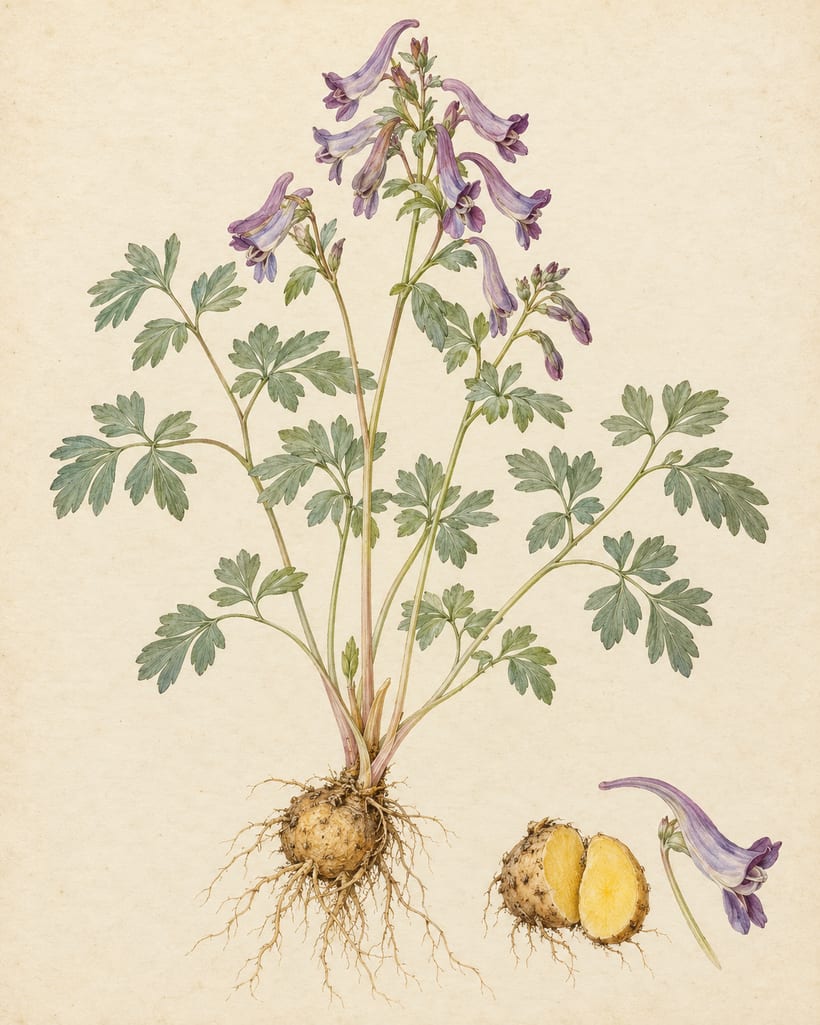
The plant behind 13-OH isn’t new at all. Rhizoma Corydalis — the dried tuber of Corydalis yanhusuo — has centuries in Chinese herbal tradition and years on American supplement shelves. Its chemistry is a family of isoquinoline alkaloids, led by tetrahydropalmatine (THP). What’s new is the label: after the August 2026 federal scheduling of concentrated 7-OH, corydalis tablets started advertising a compound called “13-OH,” described by sellers as a hydroxylated relative of THP.
Here’s the honest state of the evidence: we found no compound published under the name 13-OH in the research on this root. The number isn’t random — position 13 is where corydaline, a well-documented corydalis alkaloid, differs from THP — but a label pointing at real chemistry isn’t the same as a compound with a published identity, let alone published safety data. Until there’s a paper or a lab panel, “13-OH” tells you which plant a product claims to come from, and not much more.
13-OH vs 7-OH: two different molecules
The names rhyme on purpose. The chemistry and the law don’t.
| 13-OH | 7-OH | |
|---|---|---|
| Source plant | Corydalis yanhusuo (corydalis root) | Mitragyna speciosa (kratom) |
| Plant family | Poppy (Papaveraceae) | Coffee (Rubiaceae) |
| Chemical class | Isoquinoline alkaloid, per sellers | Indole alkaloid |
| Receptor story | Corydalis alkaloids act mainly at dopamine receptors in published data | Opioid-receptor active |
| In the literature | No compound published under this name | Well documented |
| Federal status | Not controlled | Concentrated form scheduled, August 2026 |
Read the label, not the name
Some tablets in this wave print “13-OH” and “7-OH” side by side. Concentrated 7-OH has been federally scheduled since August 2026 (what changed), so a product listing both isn’t a corydalis product with a bonus — it’s a 7-OH product, with everything that now implies. We don’t carry anything that lists 7-OH. A corydalis tablet worth considering names the plant plainly on its ingredient line; anything beyond that is a question for a third-party lab panel.
What we carry in this lane right now is ketaMIND (13-OH) Tablets 3pk 675mg. Label facts only, no effect claims, and no published third-party panel behind it — we won’t pretend otherwise.
13-OH, answered
What is 13-OH?
Is 13-OH the same as 7-OH?
Is 13-OH kratom?
Is 13-OH legal?
Is there safety data on 13-OH?
Does ketaMIND contain 13-OH?
Do you sell 13-OH?
New name, old root, plain answers.
Questions about anything in this lane? Text us — a real person answers.
How shipping works — $125+ ships free.